
Water line repair and replacement · Bethlehem, PA
Water Line Repair in Bethlehem: Buried Leaks, Low Pressure and the City Letter
The water line is the pipe that brings water from the street into your house. When it leaks, you may see a wet patch in the yard, hear water running with every tap closed or notice a pressure drop that has no other cause.
This page covers the line between the street and your meter. Pipes inside the walls are covered under leak detection and repiping. Call dispatch and a plumber in our network will look at it.
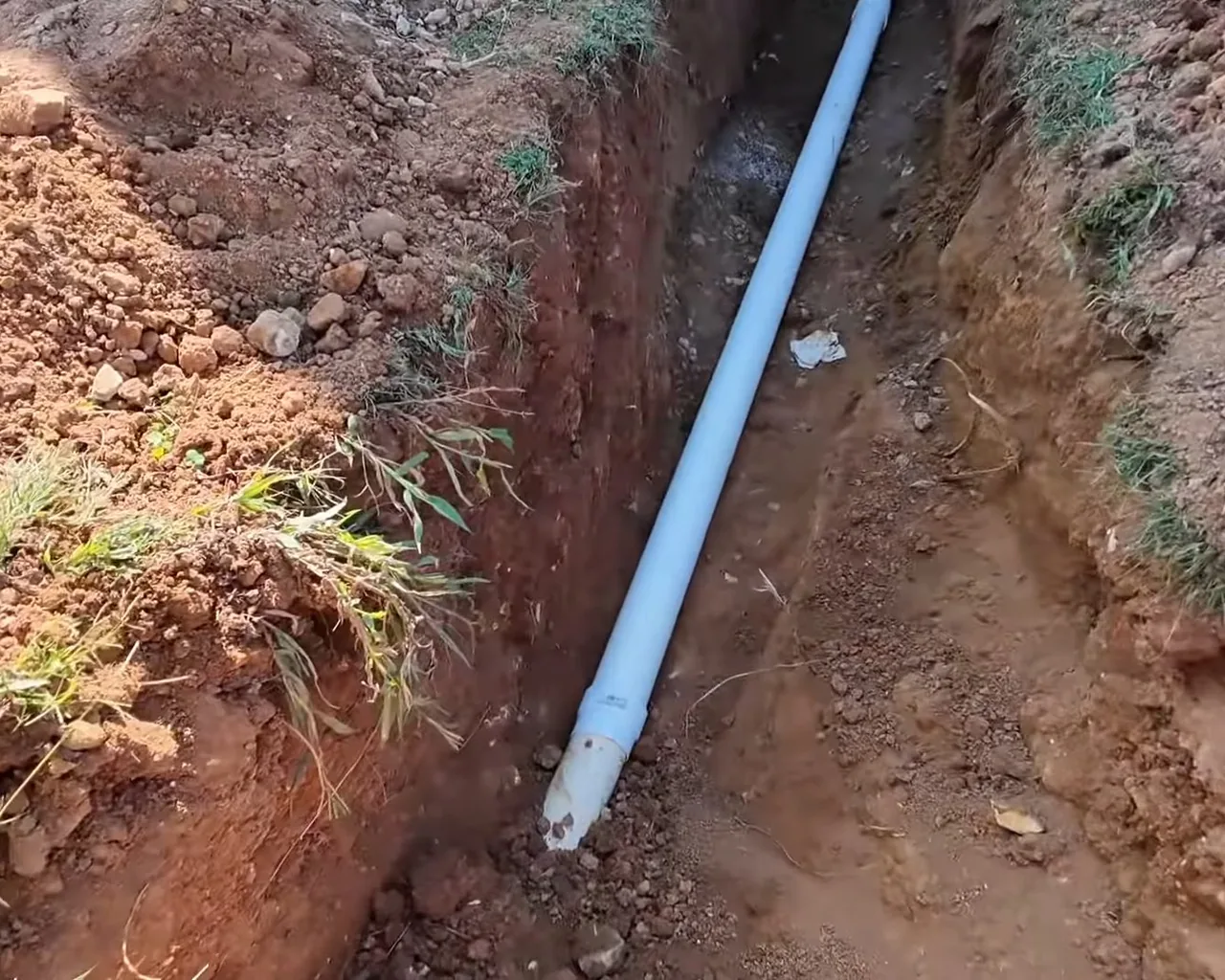
Signs the water line is leaking, not the plumbing inside
A buried leak does not announce itself. It shows up as a wet or sunken spot, a meter that runs with every tap closed, or water pressure that falls with no cause inside the house.
- The meter moves when every fixture is off.
- A soft, green or sunken patch between the street and the house.
- The sound of water running in a basement wall where the line enters.
- A higher water bill with no change in use.
- Muddy or discolored water after a repair or a main break nearby.
Check the water leak detection page for the meter test that tells you whether the leak is inside or out.
Photograph the meter reading each morning for three days. A steady rise with no change in use is useful evidence for the plumber.
Which part is yours: the City side or your side
Ownership is the first question, and the answer matters before anyone digs. Local news reports that the City owns the service line from the main to the sidewalk and the homeowner owns the part from the sidewalk to the house. The City's own pages do not state the split.
Confirm the ownership split with the Water Department before paying for a repair. The City's cold weather page lists a 24-hour call center, 610-865-7000, and sends ownership questions to the Water Department.
Sources: City of Bethlehem Cold Weather Preparation page; WFMZ. Read 2026-10-30.
In Allentown, the owner is responsible for the water lateral to the curb shutoff, and replacing a service line needs both a plumbing permit and an excavation permit, plus a registered plumber. Other towns differ, so ask the office that serves your address.
Lead and galvanized service line letters
A letter about your service line is not an alarm. The City mailed 30,957 notices to customers whose lines are lead, galvanized or not yet identified, and reports that the material of most lines is still unknown.
A home built after 1991 cannot have a lead line, according to the City. Its 2025 lead sampling found no site over the action level. The mailer asks you to look at your own line where it enters the house and record the material on the City's inventory map.
| Line material | How it looks at the entry point | What to do |
|---|---|---|
| Copper | Brownish orange, magnetic test fails | Report it as non-lead |
| Galvanized steel | Gray, magnet sticks, threaded joints | Report it; ask the City about its replacement program |
| Lead | Dull gray, soft, a scratch shows shiny silver | Report it; call the City about replacement |
| Not sure | Hidden or coated | Have a plumber look, then report it |
Repair, replacement and digging
A short leak can be repaired in a small dig. A line that is corroded along its length, or made of a material the City wants replaced, is better replaced. Trenchless methods pull a new line through the old path with limited digging. Open trench replaces the line the traditional way.
- Call 811, the PA One Call system, three business days before any dig. It costs homeowners nothing.
- Ask who restores the lawn, the sidewalk or the driveway and in what order.
- Ask whether the City's lead program covers any of the cost before you pay.
- Ask who pulls the permit and who is responsible for the pressure test.
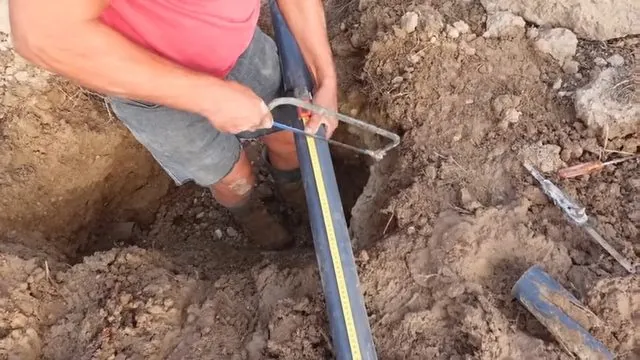
If a dig crosses a sidewalk or a street, ask who handles the restoration there.
What a locate-and-repair visit looks like
- The plumber shuts off the main and reads the meter to confirm a leak outside the walls.
- A pressure check and a listening device narrow down where the water is escaping.
- Utilities are marked through 811 before any digging starts.
- The plumber repairs or replaces the failed section and pressure tests it.
- The trench is backfilled and the surface is restored as agreed.
Ask for the location of the leak and a photo of the failed section. Both help if the City or your insurer asks what happened.
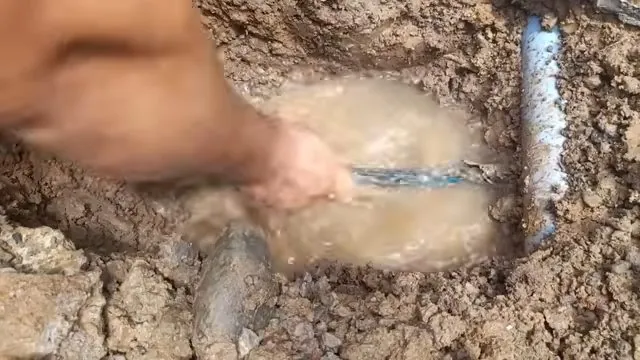
The plumber should say where the leak was found, how deep the line lies and what the repair involves before the first shovel goes in. Plan on a few days of disruption for a dig, and ask about the order of work: locate, uncover, repair, test, backfill and restore.
Low pressure, high pressure and the regulator
Not every pressure complaint is a water line problem. Low pressure that hits one fixture is a clogged aerator or valve. Low pressure everywhere can come from a leak, a partly closed shutoff or a failed regulator. High pressure that hammers pipes is usually the regulator at the main.
A plumber can read the pressure with a gauge at a hose bib, then check the meter, the shutoff and the regulator in order. Sinkholes are a separate concern in some limestone areas of the Lehigh Valley. If the ground near the line is dipping, tell dispatch.
A pressure gauge screwed onto an outdoor hose connection gives a reading in a minute. Note the number at different times of day, since pressure that drops in the evening points to a supply problem and not to your pipes.
Water line questions from Bethlehem homeowners
How can I tell if I have a buried water line leak under concrete?
The usual clues are a meter that runs with all taps closed, a warm or wet spot on a slab, or the sound of water near where the line enters. The plumber uses a listening device and pressure checks to locate the leak before cutting anything. Describe the clues on the call.
Who is responsible for a water service line leak, the City or the owner?
It depends on where the leak is. Local news reports the City owns the line to the sidewalk and the owner owns the rest. The City's own pages do not state this, so confirm with the Water Department before you pay for a repair.
What if a leak is in a buried line and not in the house?
Shut off the water at the main if you can and call dispatch. A buried leak can wash out soil, damage a driveway or undermine a slab. Take photos of any wet or sunken ground, because they help the plumber locate the leak and may help with any claim.
Suspect a water line leak in Bethlehem?
Call (610) 904-7596. A dispatcher answers, asks where you are and what is happening, and sends the call to a plumber in our network serving your area. Plumbers are independent and responsible for their own work.