
Water damage restoration · Bethlehem, PA
Emergency Water Damage Restoration in Bethlehem: Extraction, Drying and What to Document
Water on the floor is a clock. The faster the source is stopped and the water is removed, the less the walls, floors and belongings absorb.
Call the water damage line. The dispatcher asks what happened and where, and sends help to the address. The steps below are what to do while you wait.
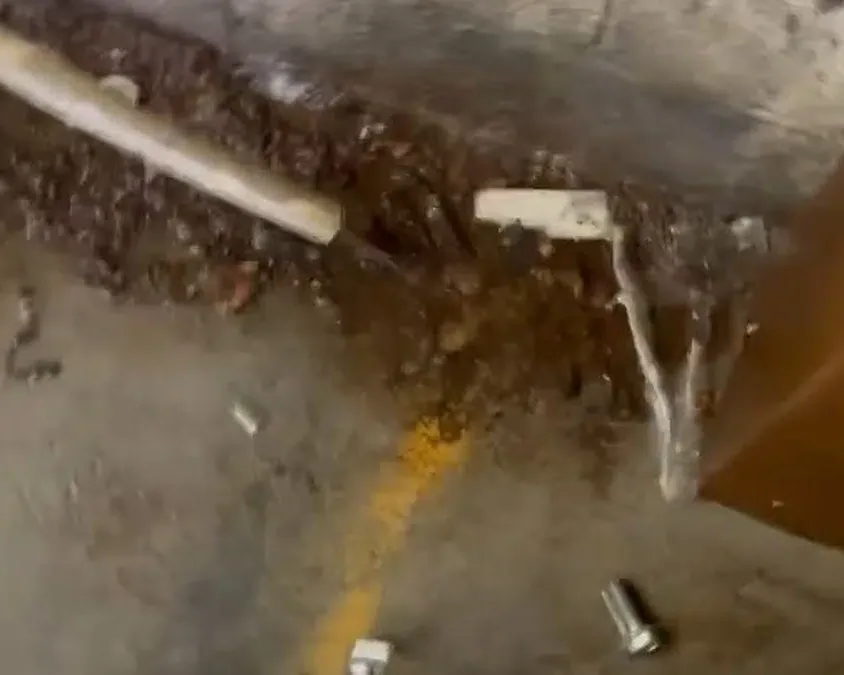
The first hour: shutoff, power and photos
Stop the source before anything else. Then make the room safe, and then record what happened. The order matters.
- Shut off the water at the main valve, or at the fixture if you can reach it.
- If water is near outlets, appliances or the panel, stay out and switch off power only from a dry spot.
- Move belongings and furniture off wet floors if it is safe to do so.
- Photograph and video the water, the damage and the source before you clean.
- Call the water damage line and tell the dispatcher what you see.
Safety first. Water and electricity do not mix. If the water is deep, covers outlets or reaches the panel, leave the room and call the water damage line from outside.
Water extraction and drying: what the equipment does
Removing the standing water is the first step. Drying the structure is what prevents the second problem, which is mold and swollen materials.
| Equipment | What it does | Why it matters |
|---|---|---|
| Pumps and extractors | Remove standing water from floors and carpet | The faster the water leaves, the less the floor absorbs |
| Air movers | Blow air across wet surfaces | Moves moisture off floors and walls |
| Dehumidifiers | Pull moisture out of the air | Dry air draws more water out of materials |
| Moisture meters | Read the water content of walls and floors | Show when a material is dry, not just feels dry |
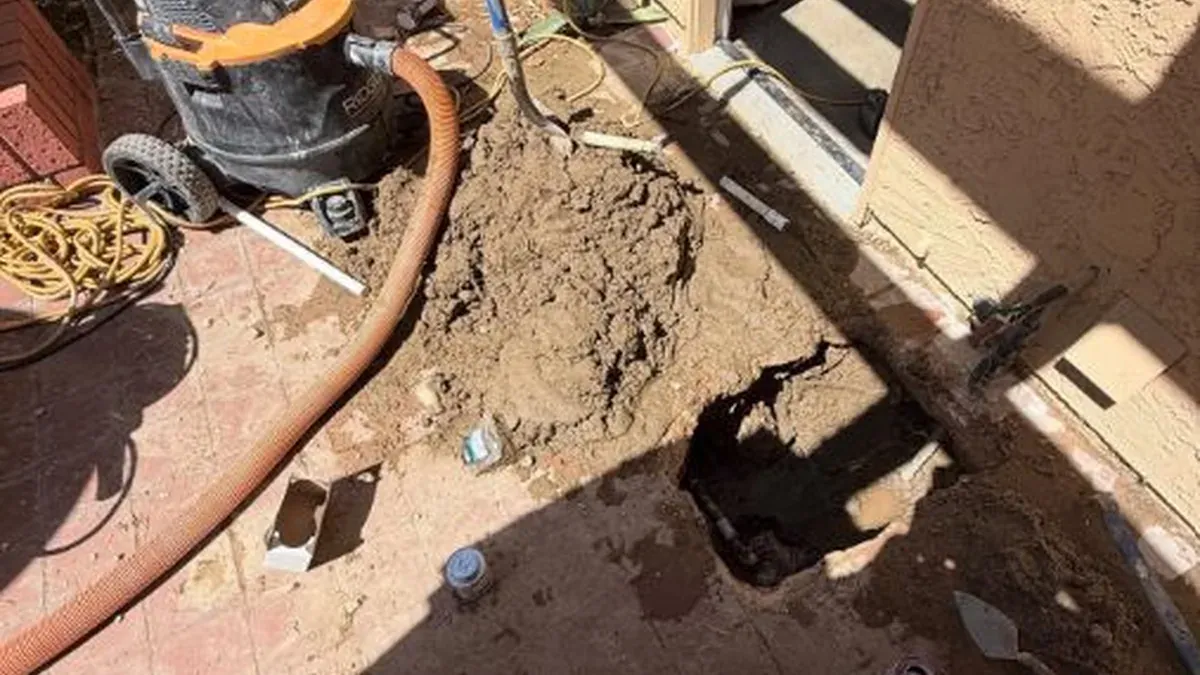
Ask the crew to mark where each piece of equipment sits, so you know what to leave undisturbed.
Flooded basements and crawl spaces
Basement water comes from the outside in, as with rain and a failed sump pump, or from the inside out, as with a burst pipe or a failed heater. Each one calls for a different fix after the dry-out.
- Check whether the sump pump is running and the discharge is clear. See the sump section of the drain clearing guide.
- Look at the water heater and the washing machine hoses for a leak.
- Note the water line: clear water from a pipe is not treated like sewage or storm water.
- Keep children and pets out until the crew says the area is safe.
Crawl spaces dry slowly. Ask the crew how they will check the insulation, the subfloor and the ducts after the standing water is gone.
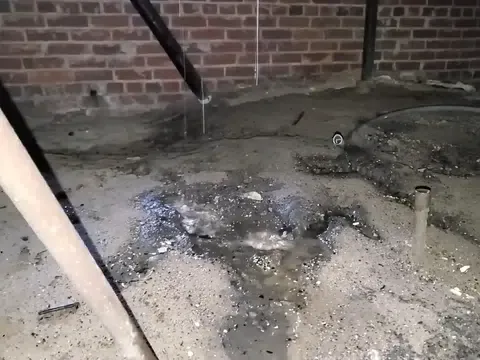
Storm, river and rain flooding follows the same dry-out steps, with one added question: what the water carried in with it.
Burst pipes and frozen-pipe aftermath
A frozen pipe often bursts when it thaws. The pipe may split without a drip until the water comes back on, so the damage can appear hours after a cold night. Turn off the main as soon as you see water.
The City of Bethlehem runs a Cold Weather Preparation page and a 24-hour line, 610-865-7000, for street-side questions. For a pipe inside the house, call the water damage line. When the pipe has been repaired, the repiping guide covers deciding between a patch and a longer run, and the leak detection overview covers finding a leak you cannot see. A leak under a floor is on the slab leak guide.
If the leak is in the buried line outside, the water line guide explains who to call about each part. A failed heater is covered on the water heater repair page.
Sewage backup: cleanup, the claims policy and your insurer
Sewage water carries bacteria, so it is treated differently from clean water. Porous materials that it touches, such as carpet and drywall, are usually removed and not dried in place. The crew should wear protective gear and tell you which belongings can be saved.
The City of Bethlehem says it is generally not liable for sewer backups, main breaks or sinkholes unless it was negligent, and homeowners policies typically exclude sewer backup. Start cleanup promptly, document everything and ask your insurer whether you have sewer backup coverage.
Source: City of Bethlehem claims policy page. Read 2026-10-30.
For the plumbing side of a backup, the sewer line guide covers who owns the lateral and what a camera inspection shows.
Mold: when testing is worth asking about
Mold can begin to grow on wet materials within a few days if they stay damp. Fast drying is the best prevention. If you see or smell mold, or if a wall stayed wet for longer than a few days, ask about testing.
- Ask whether testing is needed or whether visible drying readings are enough.
- Ask who performs the test and who interprets the results.
- Ask what happens if mold is found: removal scope, containment and a retest.
- Ask your insurer what documentation it needs for mold.
We have not found a Pennsylvania rule that applies to homeowners here, so ask the contractor and your insurer what is required.
Keep photos of any staining, the date you first noticed it and the readings from the dry-out. They help whoever tests.
Fire, smoke and odor damage
A fire usually leaves two kinds of damage: what the fire did, and what the water used to put it out did afterward. Soaked drywall, insulation and flooring need the same extraction and drying described above, and smoke leaves a residue and an odor that settle into fabric, ceilings and ductwork.
- Stay out of rooms that firefighters or inspectors have not cleared.
- Do not switch on electrical equipment that got wet.
- Avoid wiping soot from walls, which can smear it into the surface.
- Photograph each room before anything is moved.
- Call the water damage line and say that there was a fire, so the right help is sent.
The crew should explain what will be dried, what will be cleaned and what will be removed, and who handles odor treatment. We do not certify cleanup work and make no promise about odor removal, so ask for the scope in writing before work begins.
Water that did not come from the plumbing
A wet ceiling is not always a pipe. Roof leaks after a storm, condensate from an air conditioner, an irrigation line near the foundation and a unit upstairs can all put water into a home without touching the plumbing. The drying steps are the same either way, but the fix that stops the source belongs to another trade.
Tell the dispatcher what you see and where you see it. The plumber or the crew can then say whether the source is on the supply side, the drain side or outside the pipes entirely, and which other trade, such as roofing, HVAC or irrigation, should be called next.
If the stain keeps growing after the water is shut off, that points away from the plumbing. Note when it grows, such as only during rain or only when the air conditioner runs, because that timing tells the next contractor where to look.
Basement waterproofing and foundation checks
Water that comes through a basement wall or along the floor joint after heavy rain is a drainage or foundation question, not a plumbing one. Drying the basement deals with the damage, but not with the way the water got in.
Ask the crew where the water entered and photograph that spot before the area is cleaned. A foundation contractor or a waterproofing company is the next call for the cause, and the photos and moisture readings give them a starting point.
Cracks that widen, a wall that bows inward and a floor that heaves are foundation signs, and they need an inspection by someone qualified to judge them. The dry-out crew can record what they see, but they should not be asked to rule on the structure.
Damage assessment and large losses
A larger loss, such as several rooms, a vacant house or a long-running leak found late, starts with an assessment before any equipment goes in. The crew walks the property, takes moisture readings, marks which materials are wet and decides what can be dried and what has to come out.
- Who is authorizing the work, and whether the insurer needs to see the property first.
- Whether someone can give access to a vacant property and when.
- How the readings will be recorded each day until the dry-out is finished.
- What happens if the assessment finds damage beyond what was reported.
A written assessment with room-by-room readings and photos is the document an adjuster will ask for, so request it at the first visit and not after the work is done.
What to ask for in writing
A written scope protects you and the insurer. Before the work begins, ask for the following.
- The areas to be dried and the materials to be removed.
- The equipment placed and the expected length of the dry-out.
- Daily moisture readings and the target for finishing.
- Photos before and after, for the insurance file.
- Who handles demolition, disposal and any rebuild afterward.
Condos, apartment buildings and shops follow the same steps, with the property manager or owner in the loop. See the commercial plumbing page for building calls.
For the insurer, keep a dated log of each phone call, the names of the people you spoke with, receipts for any emergency steps you took and the crew's written scope. A claim moves faster when each of those can be produced on request.
Water damage questions answered
What should I do first when water gets into my house?
Stop the source by shutting off the water at the main, keep away from electrical outlets and appliances if the floor is wet and take photos before you clean. Then call the water damage line at (610) 735-7408 and tell the dispatcher what you see, so help is sent to the address.
Does insurance cover a sewer backup?
Often it does not. The City of Bethlehem says it is generally not liable for sewer backups absent negligence, and homeowners policies typically exclude them. Some insurers sell sewer backup coverage as an add-on, so ask yours and keep photos and receipts.
How long does drying take?
It depends on how much water got in and what it soaked. The crew reads moisture meters daily and keeps drying equipment running until the readings come back to normal. Ask for the readings in writing, because a material that feels dry can still hold moisture.
Should I test for mold after water damage?
If you see or smell mold, or if materials stayed wet for several days, ask about it. Testing does not replace drying. Fast, thorough drying is the best protection. Ask the contractor and your insurer what they need before any testing or removal.
Who do I call for a frozen or burst pipe?
For a pipe in your house, call the water damage line at (610) 735-7408 after you shut off the main. For a problem on the street side, the Cold Weather page of the City of Bethlehem gives a round-the-clock call center number. Shut off the water first and take photos.
Water damage in Bethlehem right now?
Call (610) 735-7408. A dispatcher answers, asks where you are and what is happening, and sends the call to a plumber in our network serving your area. Plumbers are independent and responsible for their own work.