
Drain cleaning and clogs · Bethlehem, PA
Drain Cleaning in Bethlehem: Slow Sinks, Gurgling Tubs and Mainline Clogs
One slow sink is a nuisance. Every drain in the house gurgling at once, or water showing up in the basement floor drain, is a different problem and needs a different fix.
Dispatch hands the call to a plumber in our network who can clear the line, run a camera through it when the cause is not obvious and show you the footage.
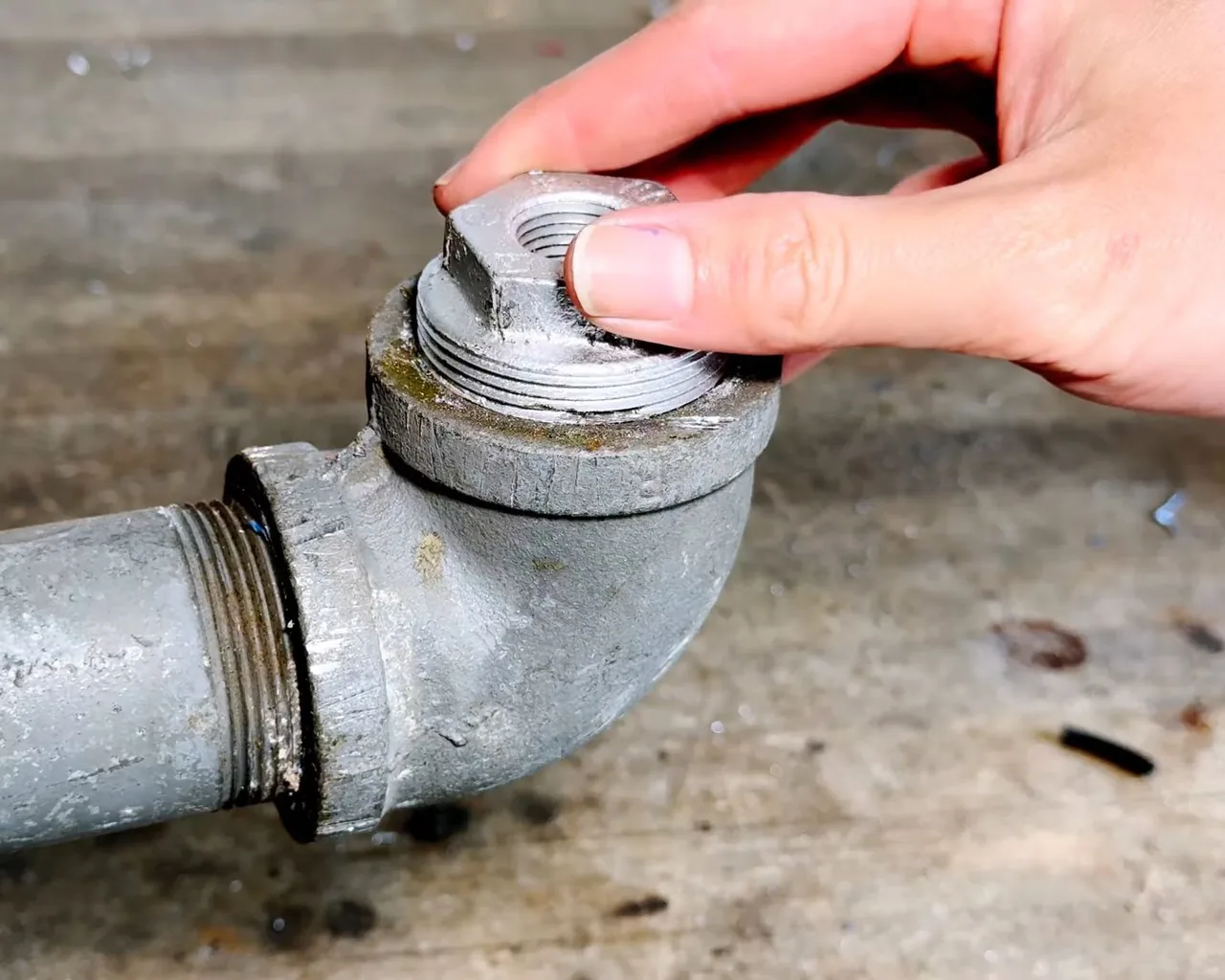
One drain or every drain? Start there
The first question a plumber asks is how many drains are affected. One slow sink usually means a clog in that fixture or its branch. Several fixtures on the lowest level backing up together points to the main line.
| What is happening | Where the clog likely sits | What to do now |
|---|---|---|
| One sink or tub drains slowly | The fixture trap or its short branch | Stop adding water; a plumber can clear it with a cable |
| Several drains slow, toilet gurgles when the washer drains | The main drain or the lateral | Stop using water and call |
| Water in the basement floor drain | The main line or the lateral | Stop using every fixture and call right away |
| A slow drain keeps returning after clearing | Roots, a broken or bellied pipe, or heavy buildup | Ask for a camera inspection |
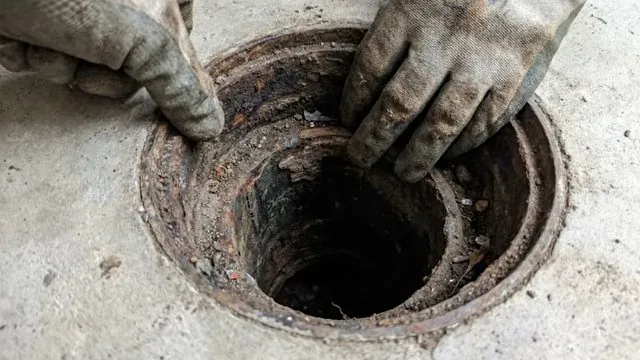
Sewage rising in the house is the emergency case here, and dispatch takes that call at any hour, including nights and weekends.
Snaking, jetting and cameras: what each one does
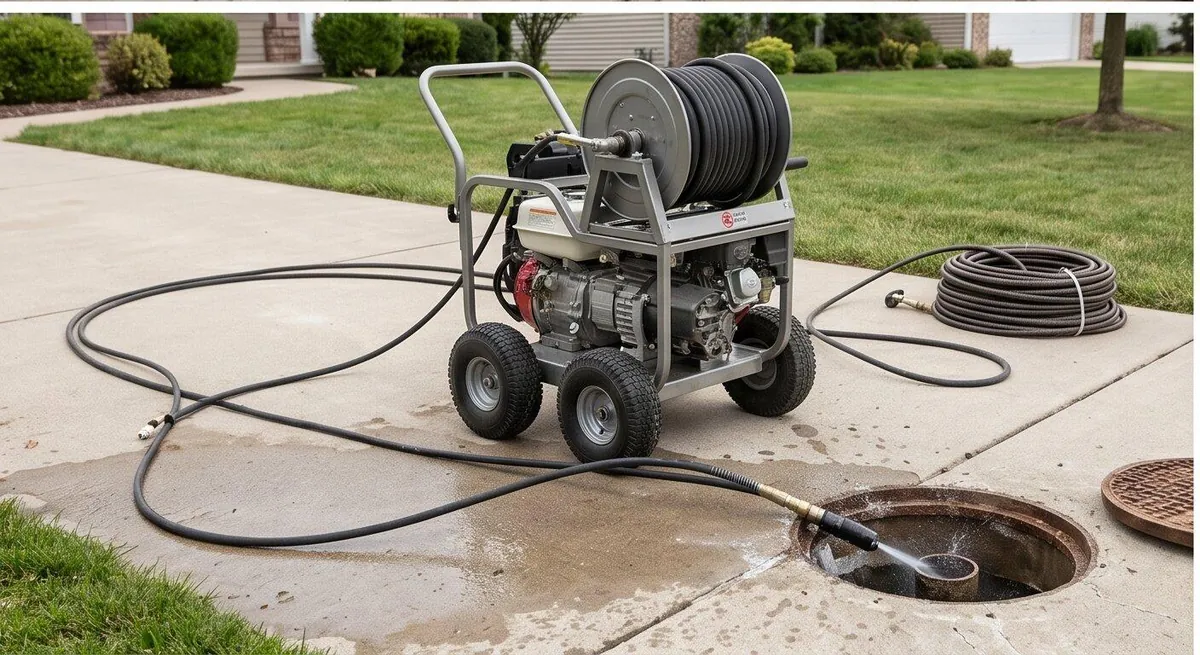
A cable, also called snaking or a rooter, bores through a clog and restores flow. It is the usual tool for a fixture clog or a soft blockage. Hydro jetting uses high-pressure water to scour grease and buildup off the pipe wall, which suits a main line that clogs repeatedly. A camera does not clear anything; it shows what the clog is and what condition the pipe is in.
- Cable: good for hair, soap and soft clogs in a sink, tub or branch line.
- Hydro jetting: good for grease, scale and recurring clogs in a larger line.
- Camera: good when the same drain keeps backing up or when roots or a break are suspected.
Ask the plumber to show you the footage and to note how far from the cleanout any problem sits. If the line is cast iron, roots or a belly in the pipe will often show on the camera before any other sign.
Kitchen sinks, tubs, showers and bathroom fixtures: what usually causes the clog
Kitchen sinks clog from grease, food waste and soap that cools and coats the pipe. Run hot water after use and keep grease out of the drain, and a branch line will stay clear longer. Bathtub and shower drains clog with hair and soap scum, usually within a foot or two of the drain.
A tub that gurgles when the toilet flushes, or that backs up when the washing machine drains, is telling you the main line is partly blocked. That is different from a tub that just drains slowly. A shower that drains slowly while the tub next to it runs fine is a local clog; the pan or trap is the likely source.
A toilet that will not flush after a plunger and a second try is often clogged beyond the trap. If other fixtures are affected or the toilet clogs again soon, stop and call. Repeated toilet clogs on their own are a fixture problem; see toilet repair for the usual causes.
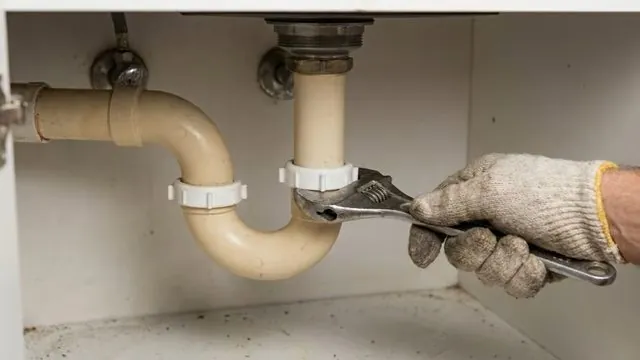
Roots, old cast iron and the lateral: who pays in the City and the Township
Clogs that keep coming back on a main line are often roots, a crack or a sag in an older pipe. Cast iron develops a rough interior that catches debris, and clay joints let roots in. A camera shows which it is.
City of Bethlehem code puts the building drain and the sanitary lateral on the property owner, who pays for upkeep and repairs and must clear roots and obstructions. Bethlehem Township differs: its wastewater FAQ says a broken or worn service lateral is something the Township fixes on its own, while the owner keeps the building sewer.
Sources: City of Bethlehem Code, Article 921.02(m); Bethlehem Township wastewater FAQ. Read 2026-10-30. Ask the office that serves your address.
If the clog is past your property line, the sewer line page explains lateral ownership and camera inspection in more detail.
Floor drains, basement drains and drain odors
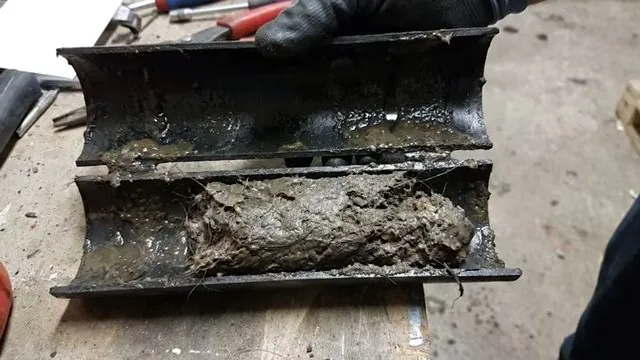
A floor drain that smells is usually dry. The trap seal evaporates in a drain that rarely sees water, and sewer gas comes up. Pouring water into the drain restores the seal. A floor drain that backs up is a different problem and points to the main line.
Odors from a sink or tub usually come from buildup in the overflow or the trap rather than the sewer. A plumber can clean the trap and check the vent. If the smell comes with slow drains throughout the house, the cause is probably deeper.
A dry trap is a common cause of odor from a basement floor drain that is rarely used. Pouring a quart of water into it refills the trap that blocks sewer gas. If the smell returns within days, the trap is leaking or the vent is blocked, and a plumber should look.
Sump and ejector pumps: failure in a thaw or an outage
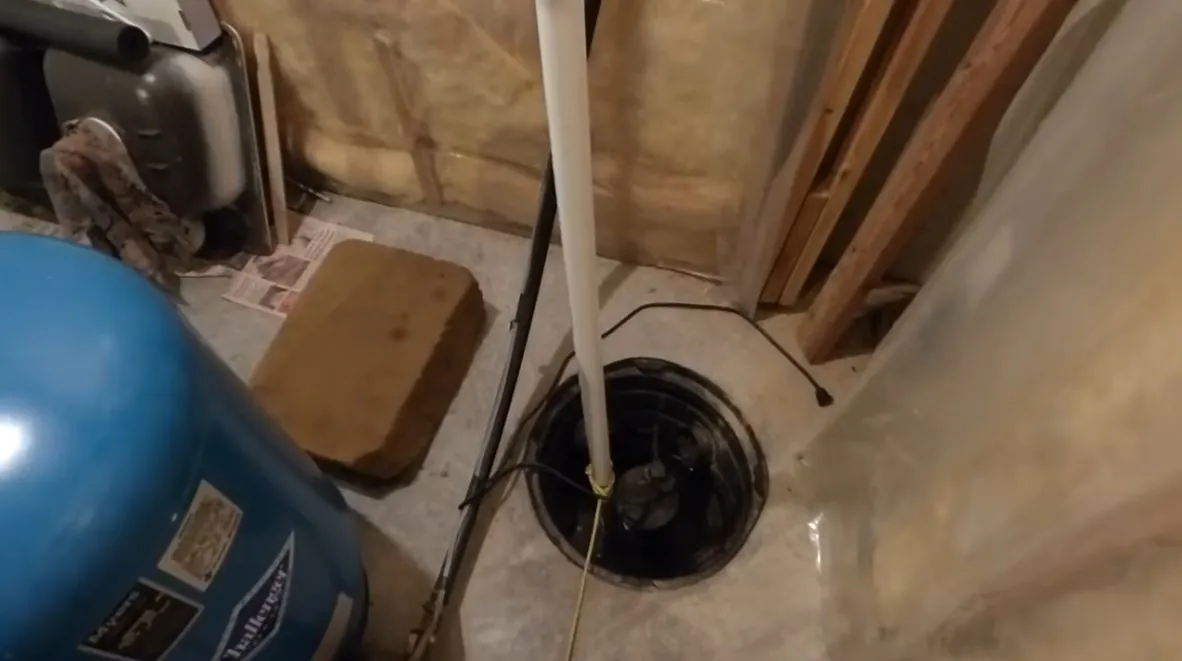
Basement pumps fail at the worst times, during a thaw, a storm or a power outage. A sump pump that stops can let groundwater rise through the floor; a sewage ejector pump that stops can send wastewater back toward basement fixtures.
- A frozen or blocked discharge line can stop a pump even when the motor is fine.
- A pump without a battery backup stops when the power does.
- A pump that runs constantly may be undersized or failing; a pump that never runs may be stuck.
Where the water goes matters, and the rule changes by municipality. City of Bethlehem code keeps groundwater, rain from roofs and foundation drainage out of the sanitary sewer, while the Township's own page says a sump pump must never connect to the Township sewer. If a plumber suggests tying a pump into the sewer, ask which municipality's rule applies to your address.
Plumbers in our network replace and repair sump and ejector pumps and can check the discharge route. Yard drainage, French drains and exterior grading are a different trade and are not handled here.
Restaurants and rental buildings
Kitchen drains in restaurants clog with grease far faster than home lines, and apartment buildings share a stack where one tenant's clog backs up another's floor. Both need a plan, not just a cable. Calls about restaurant plumbing go to the same dispatch line.
Restaurant kitchens send grease down every drain, and a grease trap, where a building has one, needs regular cleaning to keep that grease out of the line. Hand sinks, prep sinks and floor drains all join the same system, so a slow floor drain after the lunch rush often points to grease further down.
In a rental building a clog in one unit may come from the shared line, and tenants cannot see which. Report slow drains in writing to the owner, who can call dispatch. The plumber then checks the stack and the main, not just the one sink.
Drain cleaning questions we hear most
Why does my bathtub gurgle and back up when I run the washing machine?
That pattern means the main drain is partly blocked. The washing machine pushes a lot of water down the line at once, and when the line cannot carry it, the water finds the lowest open drain, usually a basement tub or floor drain. Stop using water and call for a plumber who can cable or jet the main and look at it with a camera.
My tub drains slowly after showers. Is that a clog?
Usually, yes. Hair and soap collect in the strainer and the first foot or two of pipe. Remove the stopper or strainer, clear what you can reach and flush with hot water. If it returns within days, a plumber can clear the trap and check whether the tub is part of a larger partial clog.
My shower drains slowly but the sink is fine. What is going on?
A slow shower alone is a local clog in the shower trap or its branch. It is not usually a sign of a main line problem unless the toilet or other drains are also slow. Try removing the cover and clearing hair first; a cable from a plumber will clear what you cannot reach.
What does mainline drain cleaning involve?
The plumber opens the main cleanout, sends a cable or a jetting hose down the line to the clog and works until water flows freely. A camera then shows whether roots, a crack or a sag caused the clog. Ask for the footage and for a note on where any problem sits along the line.
Do I need snaking or something stronger?
Snaking suits soft clogs in a fixture or a branch. If the same drain clogs again within weeks, or the clog is grease or scale, hydro jetting or a camera inspection tells you more. A plumber can explain which one fits what you have.
Drain backing up in Bethlehem?
Call (610) 904-7596. A dispatcher answers, asks where you are and what is happening, and sends the call to a plumber in our network serving your area. Plumbers are independent and responsible for their own work.