
Gas line installation and repair · Bethlehem, PA
Emergency Gas Line Repair in Bethlehem: Smell Gas, Hookups and Pressure Tests
A gas smell means getting everyone outside and calling 911 or UGI before anything else. A plumber comes after you are safe. This page covers the repair and installation work that follows.
When the utility has made the situation safe, or when you need a new line for a range, dryer, fireplace or grill, dispatch can send a plumber in our network.
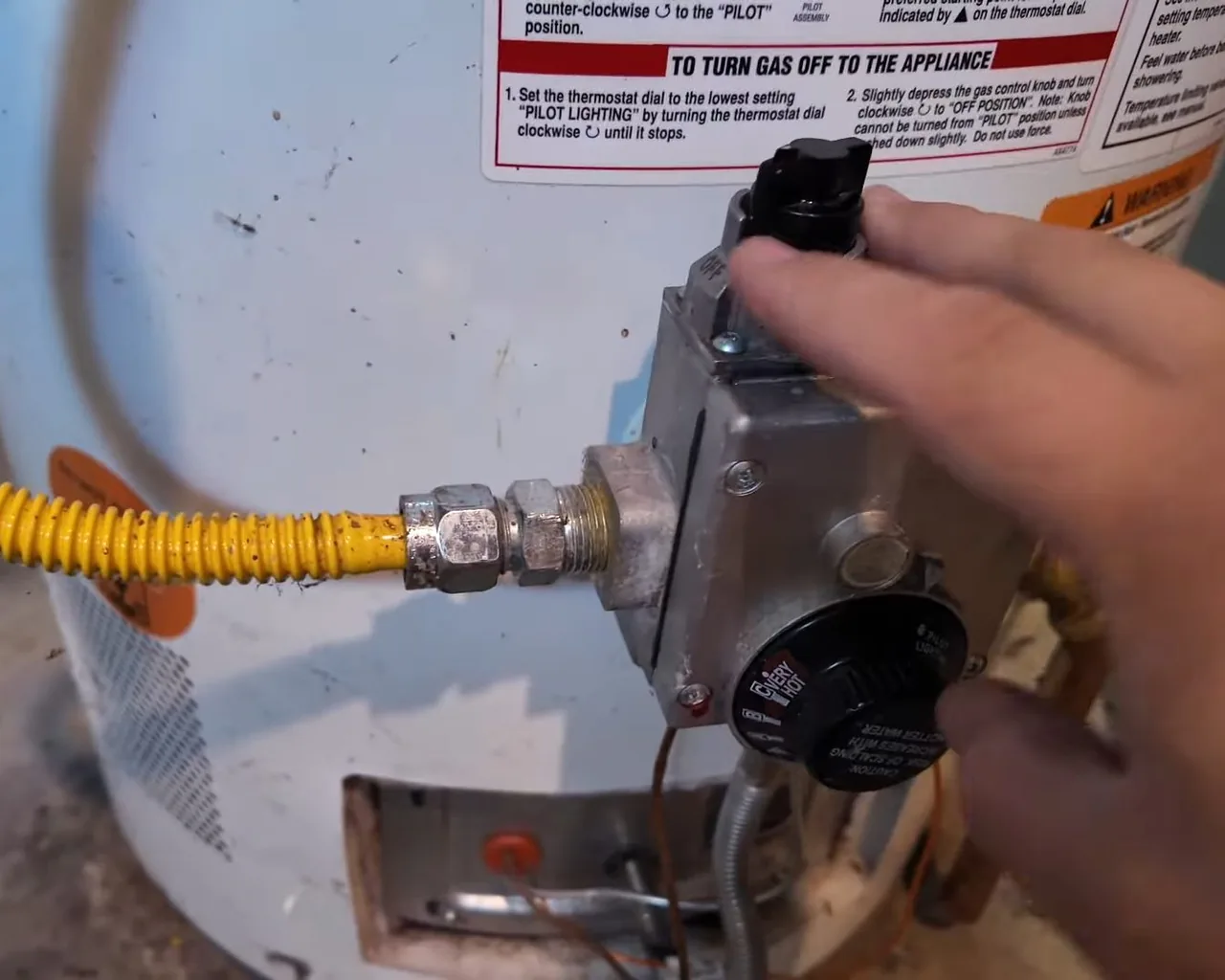
If you smell gas: this order matters
Natural gas has an added odor so that small leaks can be noticed. The first move is always to get out. Do not look for the leak, do not switch lights on or off and do not use a phone inside.
- Leave the building with everyone and pets, leaving the door open.
- From outside, phone UGI on 800-276-2722, or dial 911.
- Stay out until UGI or the fire department says it is safe.
- Call dispatch only after the utility has cleared the building.
UGI says it does not charge to investigate a suspected leak and takes calls around the clock. A utility check covers its meter and service line. Pipes inside the house are the owner's, and a plumber repairs them.
UGI leak detection page, read 2026-10-30.
Signs of a gas problem you can act on
Not every gas problem is an emergency, but each one deserves a call. A burner flame that burns yellow instead of blue, a pilot that will not stay lit, a hiss near an appliance or a bill that jumps for no reason can point to a pipe or a connector in trouble.
- A pilot that keeps going out on a range, heater or fireplace.
- A flame that is yellow, lazy or noisy.
- A rotten-egg smell that comes and goes near one appliance.
- A shutoff valve that is stiff, loose or weeping at the stem.
- Soot or staining around a vent or appliance.
A strong, steady smell is never in this list. That is a leave-the-building call.
Gas line repair: what the plumber looks at
After the building is cleared, the plumber finds the source: a corroded fitting, a failed flex connector, a damaged section of pipe or a loose appliance valve. The repair and the pressure test come before the gas goes back on.
| Pipe or part | Where it appears | Usual repair |
|---|---|---|
| Black iron pipe | Basement runs and risers | Replace the failed section or fitting |
| CSST (flexible gas tubing) | Newer homes and renovations | Repair or replace by the maker's rules; bonding must be right |
| Appliance connector | Behind a range, dryer or water heater | Replace the connector and test the valve |
| Buried yard line | Service to a garage, grill or generator | Locate, repair or replace; call 811 first |
New gas lines: range, dryer, fireplace, grill and generator
Adding an appliance means adding pipe. The plumber sizes the line to the total load on it, so a new fireplace insert or generator may force a larger pipe farther back.
- Kitchen range or cooktop, with a shutoff valve within reach.
- Gas dryer, with a rigid or approved flex connector.
- Fireplace or insert, often with its own valve and a sealed connection.
- Outdoor grill or generator, with a buried or surface line and a shutoff.
- Water heater or tankless unit, covered on the water heater installation guide.
Tell the plumber the make and model of each appliance and where it will sit. The input rating on its data plate decides the pipe size, and a line sized for one appliance may be too small once a second is added.
Pressure testing, permits and inspection
A gas line is not finished until it has been pressure tested and, where the town requires it, inspected. Ask the plumber what test was done, at what pressure and how long it held. Ask for the result in writing.
Permits differ by municipality. Whitehall Township requires its own permit for plumbing work, performed by a plumber on the township's license list. Other towns do not always publish a gas rule, so ask the borough or township office whether capping or adding a line needs a permit. A line that runs outdoors means a call to 811 three business days ahead of any digging.
A test that is witnessed and written down protects you later. Ask to see the gauge during the test and keep the written result with the permit paperwork.
What to have ready when you call
The dispatcher needs a few facts so the right plumber is sent with the right parts. Have them ready, and tell the dispatcher if the utility has already been out.
- Which appliances are affected, and where they are in the house.
- Whether the utility or the fire department has cleared the building.
- Whether the fuel is natural gas or propane.
- Whether the work is a repair, a new line or a move, and any permit paperwork you have.
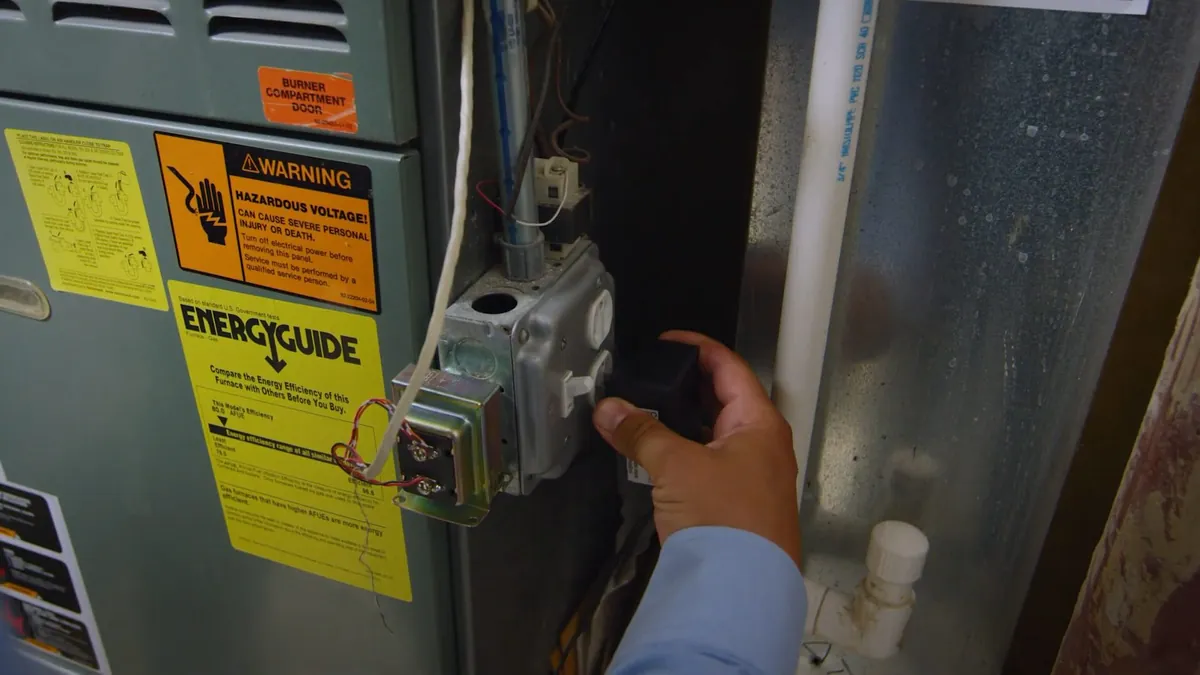
If the utility shut off service, tell the dispatcher. The repair and the restart have to be scheduled around each other, and the plumber needs to know which step is still waiting. Name the appliance that set off the call.
Propane and other fuels
Propane systems differ from natural gas in pressure and in the parts used. If you use propane or are not sure what your appliance burns, say so when you call so the right plumber is sent.
Propane systems run at different pressures from natural gas and use different regulators, fittings and appliance orifices, so parts are not interchangeable. An appliance made for natural gas needs a conversion kit before it runs on propane, and the reverse also holds.
If your house has a propane tank, say so on the first call and say who fills it. The supplier handles the tank and its regulator, and the plumber handles the piping inside the house. For a smell of gas the order of calls is the same: get outside first.
Gas line questions answered
Who fixes gas leaks?
The utility makes the situation safe and shuts off the gas if needed, and a plumber repairs the piping inside the house. With a gas smell in the house, get out and contact the utility or 911 first. Call dispatch once you are outside and the utility has cleared the building.
Do I need a permit to cap a gas line?
It depends on the municipality. The City of Bethlehem and other towns set their own rules, and many do not publish one for capping a line. Ask the plumber and the borough or township office before the work. Capping should still be pressure tested.
Can a plumber add a gas line for a fireplace or an insert?
Yes. The plumber sizes the line for the appliance and the rest of the load, adds a shutoff valve and tests the work. The insert may also need a vent and an inspection, so ask who handles each part before the job begins.
What is a gas line pressure test?
The plumber closes the line, raises its pressure to a set level and watches a gauge to see whether it holds. A drop means a leak. Ask for the test pressure and the hold time. A line that has been repaired, extended or capped should be tested before gas is turned back on.
Need gas line work in Bethlehem?
Call (610) 904-7596. A dispatcher answers, asks where you are and what is happening, and sends the call to a plumber in our network serving your area. Plumbers are independent and responsible for their own work.