
Leak detection and repair · Bethlehem, PA
Emergency Leak Detection in Bethlehem: Hidden Leaks, a Spinning Meter, Wet Walls
Your water bill jumped, a ceiling stain keeps growing, or the meter keeps turning with every tap closed. Something is leaking, and the longer it runs, the more of the house it reaches.
Dispatch answers at any hour and puts you in touch with a plumber in our network who can find the leak, show you where it is and explain what the repair will take.
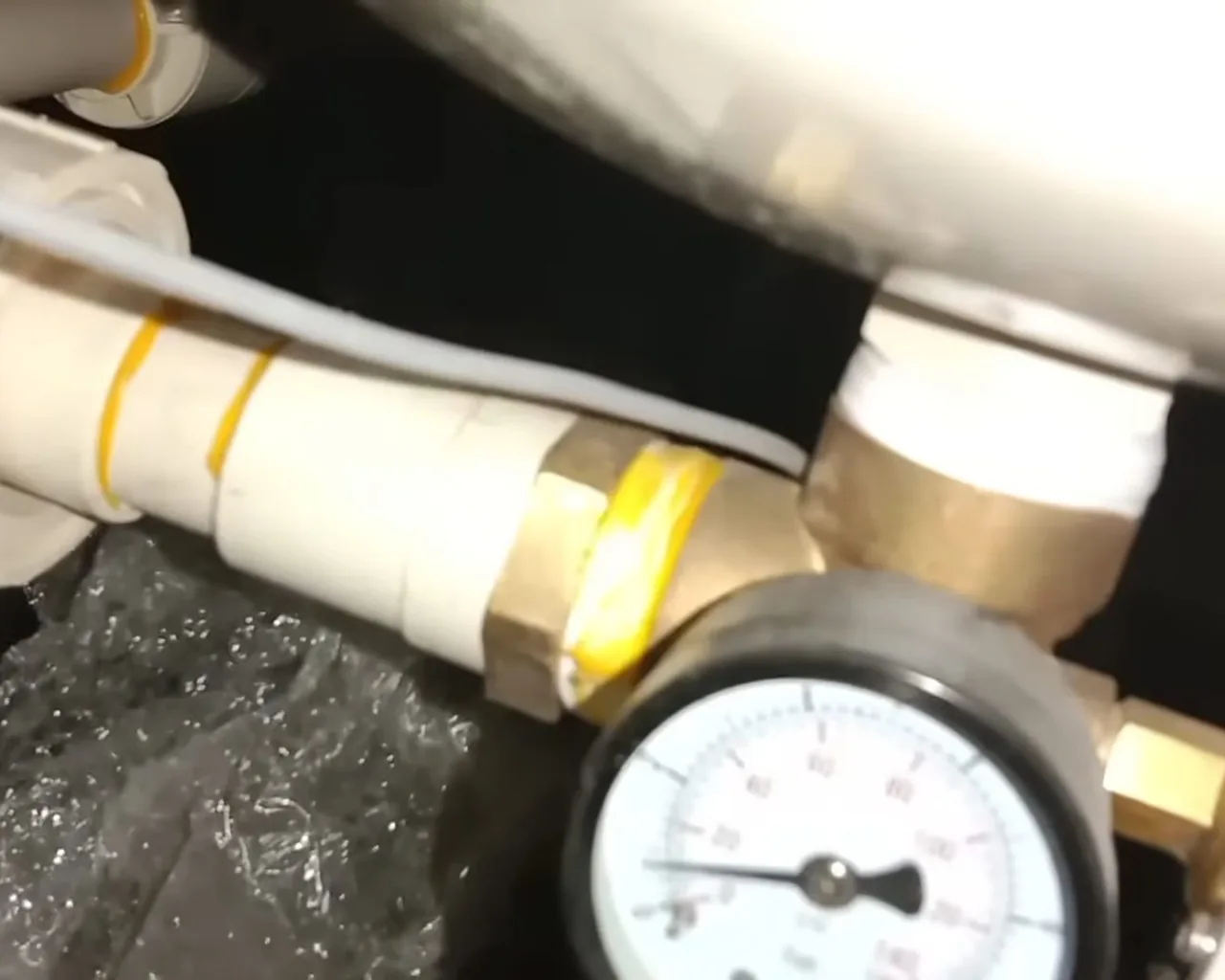
Is it a leak? Check the meter before you open a wall
A water meter is the cheapest leak detector you own. Close every faucet, turn off the ice maker and washing machine, and look at the meter dial or the small triangle that spins when water moves. If it keeps moving with nothing running, water is escaping somewhere between the meter and the fixtures.
- Make sure nothing in the house is using water, including the water heater refill and any humidifier.
- Read the meter and write the number down, then wait twenty minutes without using water.
- Read it again. A changed number means a leak; a steady number means the problem is elsewhere, such as a drain or a fixture that only leaks under use.
The meter test does not tell you where the leak is, and it cannot find a leak on the drain side, because drain water is not metered on the way out. It also misses a slow drip that only shows up while a fixture is in use. Treat it as a yes or no answer, then call.
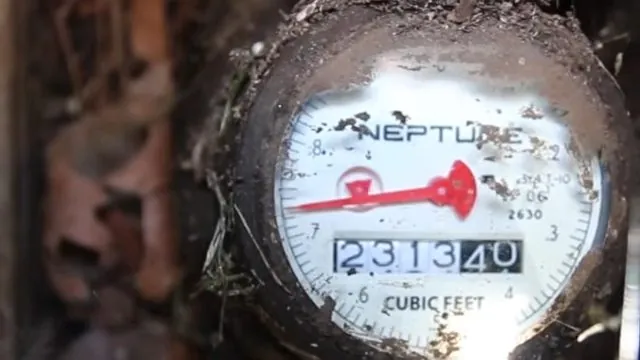
Where is the water coming from? Match the symptom to the source
Where the water shows up is rarely where the leak is. Water follows pipes, framing and drywall before it appears, so a stain on one floor can start two rooms away. This table lists what a plumber usually checks first for each symptom.
| What you see | Likely source | What the plumber checks |
|---|---|---|
| Ceiling stain under a bathroom | Tub or shower drain, supply connection or a failed seal | Moisture readings above and below, then a fill and drain test |
| Wet drywall that stays damp | A supply line inside the wall, often a joint or a pinhole | Thermal imaging and pressure testing of the line |
| Damp basement wall or floor | Supply line, drain line or groundwater, which is a different problem | Meter test, then separating plumbing from seepage |
| Meter spins, nothing wet inside | Underground service line or a line under a floor | Acoustic listening and electronic tracing outdoors |
| Warm spot on a floor | Hot water line under a slab or in a floor assembly | Electronic location and a pressure test; see slab leak repair |
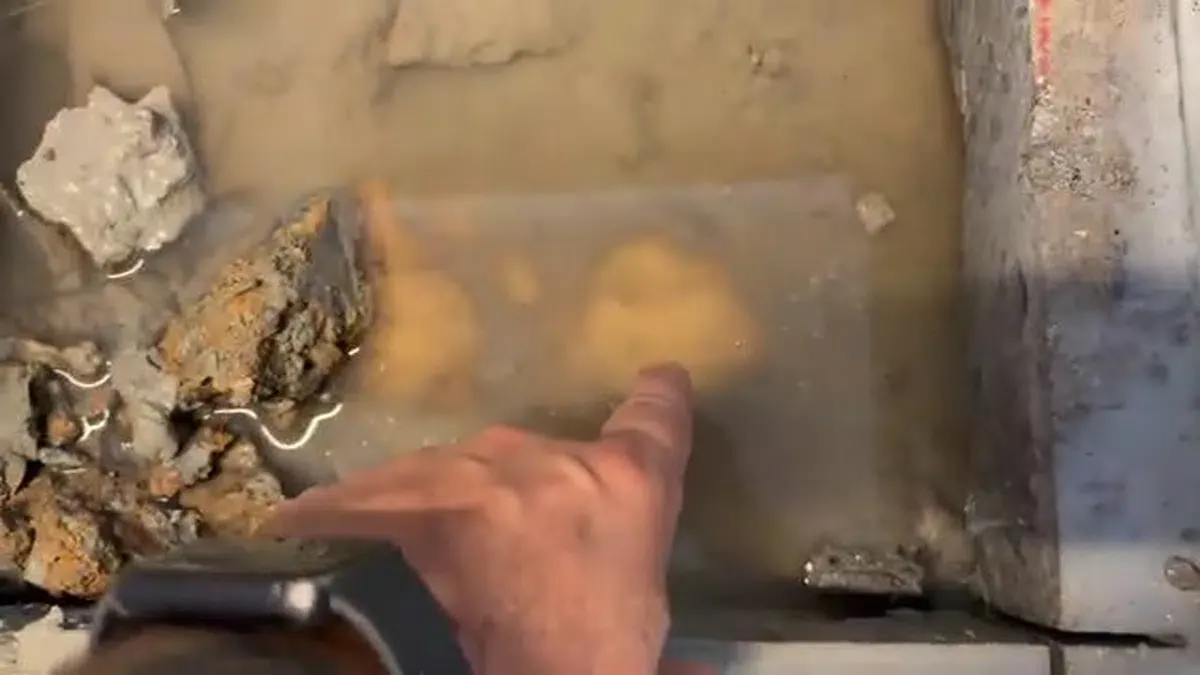
What leak detection finds that guessing cannot
Leak detection is the work of narrowing a leak down before anyone cuts anything. A plumber starts with the meter and a pressure test to see which line is losing pressure. Then acoustic equipment listens for the sound of escaping water, thermal cameras show cold or warm paths behind finished walls, and moisture readings confirm where materials are wet.
The result you want is a mark on the wall or floor and a short written note: which line, how deep, how it is routed and what repair is needed. That note matters to your insurer and, if you rent, to your landlord. Ask for photos of the readings and the marked location before any repair starts.
- Which line is leaking, and does it feed one fixture or a whole branch?
- How far is the leak from the nearest access point?
- Can the fix be made through a small opening, or does a wall, floor or ceiling need to come off?
- Will the plumber pressure test the line again after the repair?
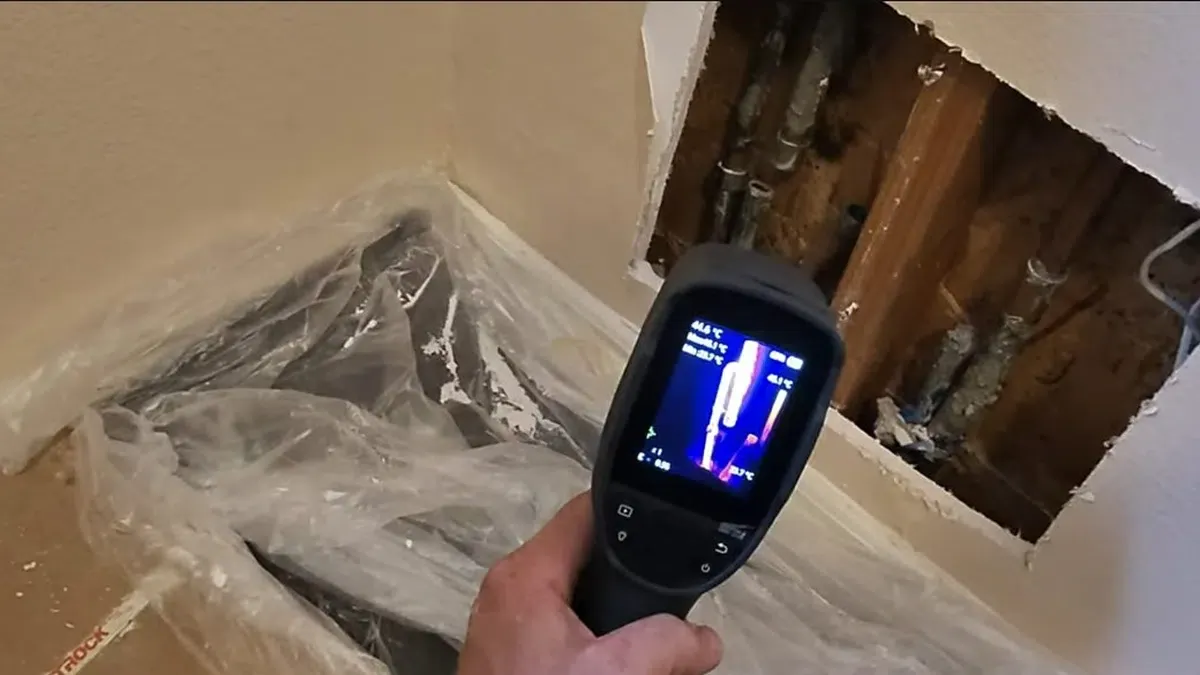
Leak repair: what happens after the leak is located
Most leaks are repaired in one of three ways. A leaking joint or fitting is replaced. A pinhole in a copper line is cut out and a new section is installed. A line that has failed more than once is a candidate for replacement over a longer run, which the repiping page explains. Hidden leaks in underground water lines follow a different path and are covered on the water line page.
Fixture leaks are the simplest. A dripping supply stop, a failed toilet connection or a leaking shower valve can usually be repaired without opening more than a small access panel. If the leak is in a fixture itself, the fixture repair page covers the usual fixes.
After the repair, the plumber should pressure test the line again and leave you with a clear account of what was replaced. Drying and mold checks are a separate step; if walls or flooring were soaked, see drying after a flood.
After a cold snap: frozen and burst pipes in the Lehigh Valley
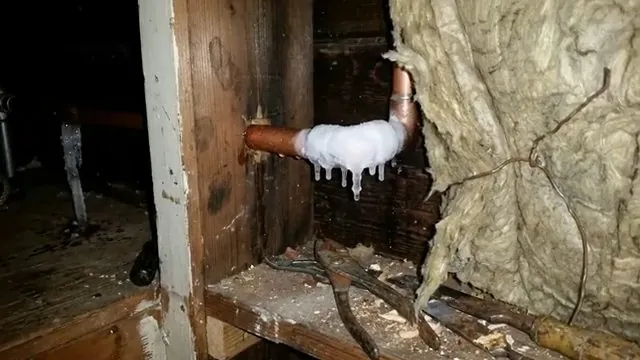
Hidden leaks cluster after hard freezes. The January 2025 cold snap drove Allentown to 8 below zero, and plumbers in the area described frozen and burst pipes following the December 2022 storm. Ice can split a pipe quietly and the water only escapes on the thaw, which is why stains turn up a day or two after the weather warms.
- Know where the main shutoff is before the next freeze, and test that it turns.
- On a split pipe, shut the main, then run one faucet to drain the pressure off.
- Keep flames away from frozen pipes. A hair dryer on low is the safer tool, used only where you can stand on a dry floor.
The City of Bethlehem publishes a Cold Weather Preparation page that also lists 610-865-7000 for a 24-hour call center. Use it for questions about the City water system; use the dispatch line for leaks inside your house.
Source: City of Bethlehem, Cold Weather Preparation page. Checked 2026-10-30.
Insurance, landlords and who pays when water gets out
About half of the homes in the City of Bethlehem are rented, so a leak call often involves a tenant, a landlord or a property manager. Tell the dispatcher which one you are. Renters should photograph the damage and notify the landlord in writing; owners should photograph it and call their insurer before cleanup.
On City lines the rule is different: Bethlehem notes that it is not generally responsible for main and sewer breaks unless negligence is shown, and many homeowners policies leave out some of those events. A leak inside your own plumbing is a different claim from a City line failure, so ask your insurer how it treats each one and what paperwork it wants from the plumber.
Not a plumbing leak? Roof leaks, air conditioner condensate and irrigation lines are other trades. A plumber can tell you whether the water is on the supply or drain side and then hand you off, but the repair belongs to a roofer, an HVAC technician or an irrigation contractor. Radiator and boiler-line leaks are also usually heating work; the plumber can shut off and isolate a leaking line while you arrange it.
Leak questions Bethlehem homeowners ask first
Why is there water coming through my ceiling from the attic?
Look at what is above the stain before you assume a roof leak. Attic water can come from a roof, but it also comes from a bathroom supply line, a drain connection or a condensate line routed through the attic. If it stains after a shower or a laundry load rather than after rain, ask for a plumber to check the lines above it.
My plumber repaired a leak and it came back. What now?
A leak that returns after a repair usually means the repair fixed one point on a line that has more than one weak spot, or that the leak was in a different line from the one repaired. Ask for a pressure test of the whole branch and for the plumber to show you where the first repair was made. Repeated failures on the same run are a reason to talk about replacing that run.
How do I tell whether a toilet, faucet or shower is the leak?
Fixture leaks show up only when the fixture is used or while it holds water. Dry the base of a toilet and the area under a sink and look for new moisture after a flush or a run of the tap. A shower that leaks only during use points to a valve, a pan or a drain seal. If the meter moves with every fixture off, the leak is elsewhere.
There is a wet spot on my wall. Should I open it myself?
Photograph it first and mark the edge of the wet area with a pencil so you can see whether it spreads. Do not cut into a wall that may hold electrical wiring or a pressurized line. If the spot grows or the meter is moving, close the main water valve and call; a plumber can usually find the line with a thermal camera before anything is cut.
Think you have a leak in Bethlehem?
Call (610) 904-7596. A dispatcher answers, asks where you are and what is happening, and sends the call to a plumber in our network serving your area. Plumbers are independent and responsible for their own work.