
Repiping and pipe repair · Bethlehem, PA
Emergency Repiping in Bethlehem: Pinhole Leaks, Burst Pipes and Old Galvanized Lines
A pinhole spray in a copper line, a burst pipe after a freeze or the third repair on the same run in a year all raise the same question: patch it or replace it. A good answer depends on what the pipe is made of and how much of it is failing.
Dispatch pairs you with one of the plumbers in our network, someone able to stop the leak, tell you what the pipe is made of and set out the repair and repipe options.
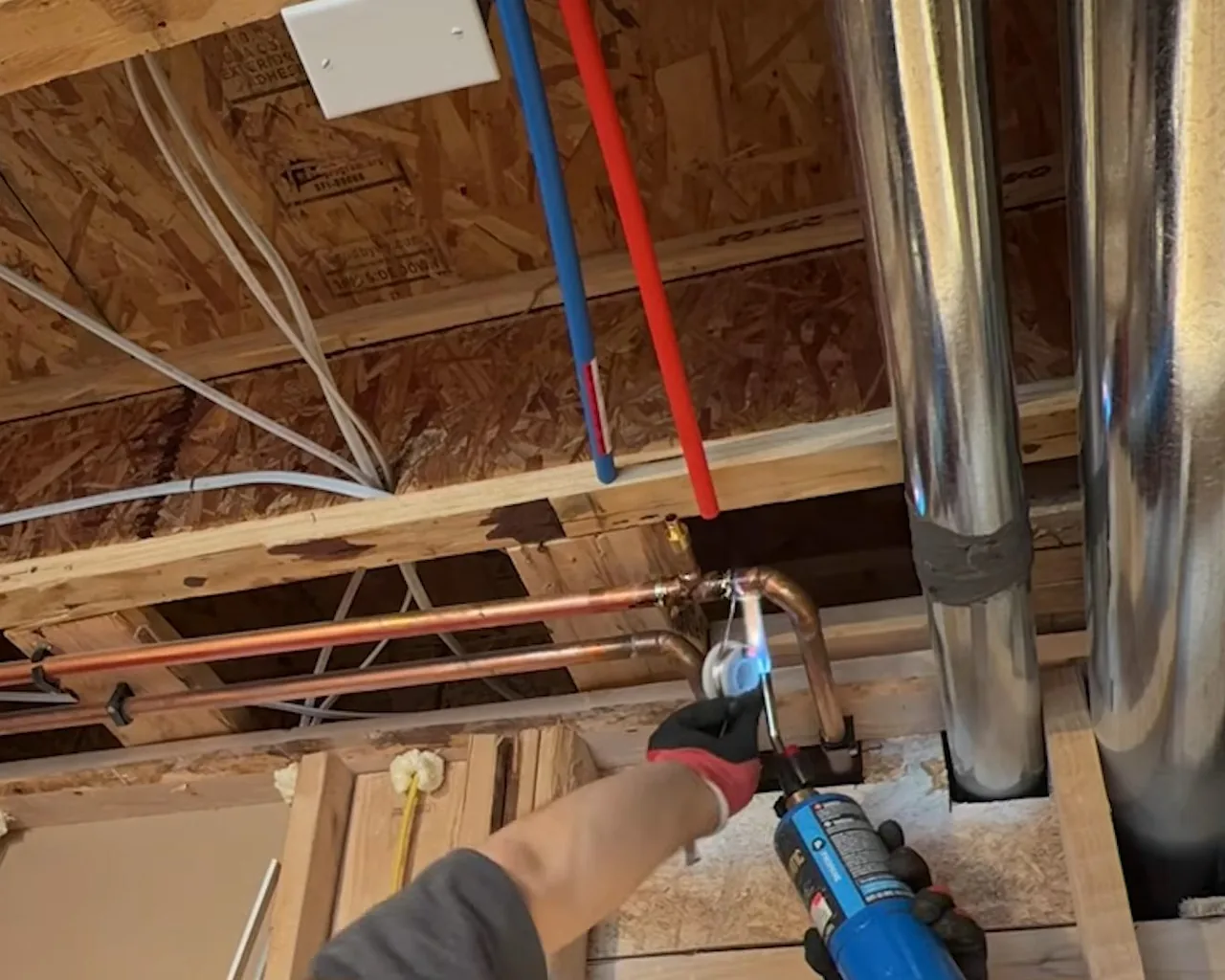
Pinhole leaks and repeat repairs: patch it or repipe it?
A single leak on a pipe that is otherwise sound is a repair. Two or three leaks on one run, or leaks that appear in different places within a year, mean the pipe is wearing out along its length. At that point another patch only buys time.
- One leak, sound pipe, easy access: repair the section.
- Repeated leaks on one run: replace that run.
- Leaks in several areas of the house, or rusty or low-flow water throughout: talk about repiping the house.
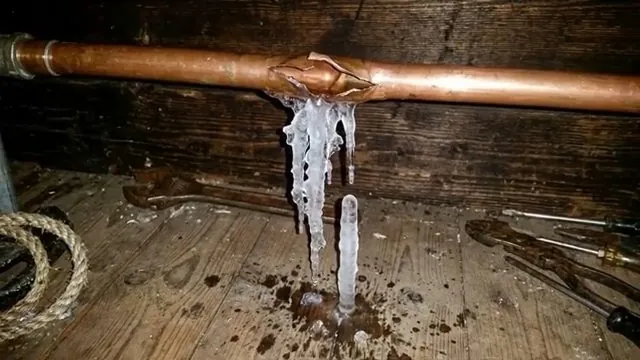
- A burst after a freeze: repair the break and check the rest of the run for damage that has not leaked yet.
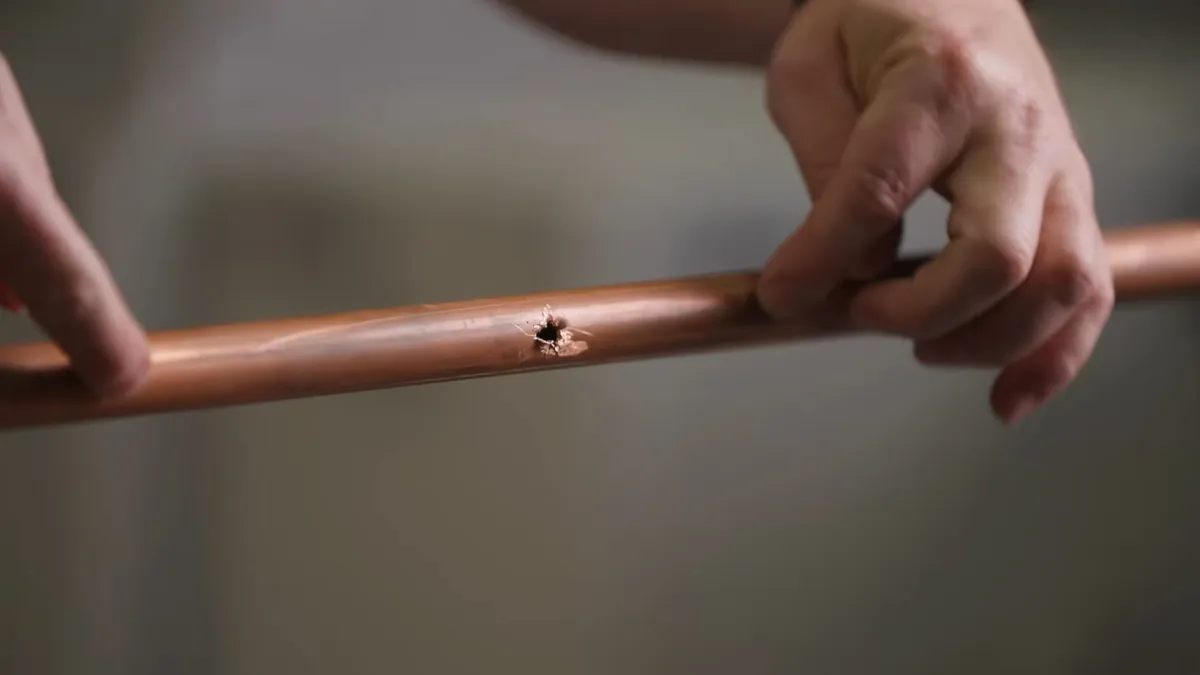
What are your pipes made of? Galvanized, copper, PEX and the ones to ask about
Different materials fail in different ways. Knowing what you have changes the plan.
| Material | How it shows trouble | What to ask |
|---|---|---|
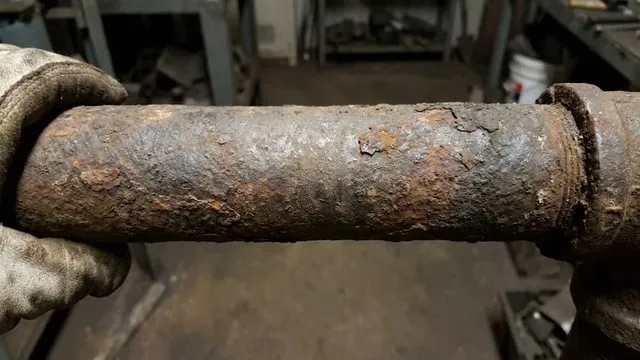
| Galvanized steel | Rust-colored water, low pressure that gets worse, leaks at threaded joints | Is the whole line galvanized, and is the service line separate from the house piping? |
| Copper | Pinhole leaks, green or blue stains, pitting inside the pipe | Are the leaks isolated or throughout the run? |
| PEX | Rarely leaks except at fittings, damaged by freezing or sunlight | Which fittings are used and who warrants them? |
| Polybutylene | Gray or blue plastic that can fail without warning at fittings | Is any left in the house, and what does the plumber advise about replacing it? |
| Cast iron, PVC and CPVC | Drain-side or supply-side plastic with its own failure patterns | See clogged drain help for drain-side pipe |
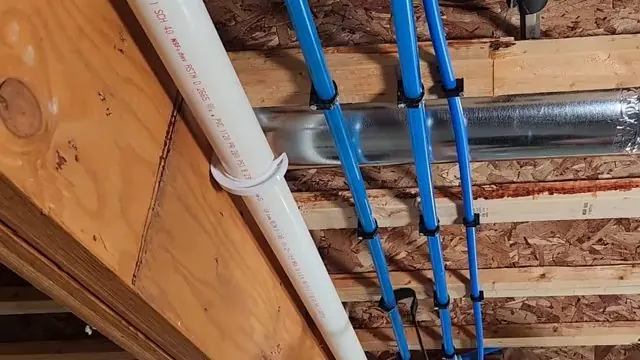
PEX has become a common replacement material because it bends around corners and needs fewer joints. It is not the only good option, and some owners prefer copper. Ask for the reasons behind the plumber's recommendation, not just the material name.
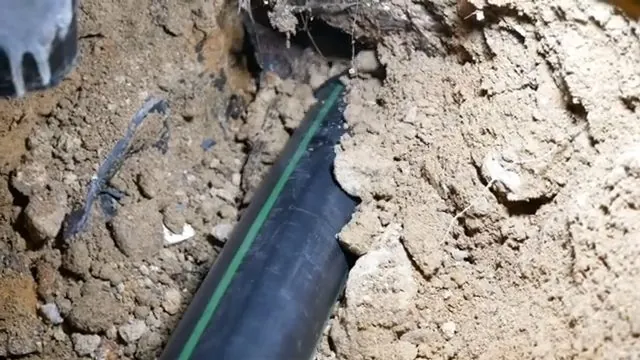
The City's letter on your pipe material and what it means indoors
If you received a letter from the City of Bethlehem about your water service line, it concerns the pipe between the street and your house, not the pipes inside. Notices went out from the City to 30,957 water customers whose line is lead, galvanized or unknown, and the City adds that the material of most lines in its system has not been identified.
The City says it replaced 413 lead and galvanized service lines under a $2.875 million state grant that finished in 2024, and that it will replace lead and galvanized lines that require replacement in its upcoming program. It also says homes built after 1991 cannot have a lead service line, and that one is unlikely in homes built after the mid-1940s.
Sources: City of Bethlehem, Lead Service Line FAQ; Lead Service Lines mailer, 2025. Checked 2026-10-30.
- Find where the water line enters the house, usually in the basement near the meter.
- Scratch the pipe lightly with a key where it is bare; shiny silver soft metal can indicate lead, a magnet-sticking gray pipe is steel, and a copper color is copper. Do not cut or file it.
- Tell the City what you found by using the service line inventory map on its website.
- Ask the City whether its replacement program covers your address before hiring anyone for the service line.
Repiping the inside of the house does not replace the service line, and the reverse is also true. If the leak is on the line from the street, the water line repair page covers it.
Burst and frozen pipes: first steps and what to expect
Freezes split pipes in this part of Pennsylvania. Allentown hit 8 below zero in January 2025, and frozen and burst pipes followed the December 2022 storm, according to plumbers in the area. The split often hides behind ice until the thaw.
- Shut the main water valve, then run one faucet to bleed off the pressure.
- Never use a flame on a frozen pipe. A hair dryer on low works, as long as the floor under you is dry.
- Check the rest of the run, especially pipes in exterior walls, crawl spaces and garages, for splits that have not leaked yet.
- Photograph the damage before cleanup for your insurer.
The City's Cold Weather Preparation page gives 610-865-7000 as its 24-hour call center line for the City water system. For a burst pipe inside your house, call the dispatch line. If water has reached walls, floors or insulation, restoring water damage covers drying and mold testing.
Partial or whole-house repipe: how to decide
- Count the leaks and note where they are. A cluster on one run points to a partial repipe.
- Check the water: rusty, brown or low-flow water through the whole house points to galvanized or heavily scaled pipe.
- Ask whether the leaks are on hot lines, cold lines or both. A run that carries hot water often wears faster.
- Ask what has to be opened: walls, ceilings or floors. A plumber who can route new lines through basements, attics and closets disturbs less.
- Ask who patches and paints. Plumbers repair pipes; drywall and paint are often a separate trade.
Cost is covered on the cost guide as a set of factors without figures. In the City of Bethlehem, plumbing contractors must hold a Master Plumber's License and the City has a plumbing permit application. Ask who pulls the permit and whether an inspection is booked.
Under a slab or underground: when the pipe is out of sight
A leak under a concrete floor or in a buried line cannot be patched from the surface. The plumber locates it first, then offers a spot repair, a reroute through walls or ceilings, or a repipe of the affected line. The slab leak page explains how location works. A buried line outside the house falls under water service line repair.
If you are not sure whether the leak is in the house or on the service line, the meter test on the hidden leak guide helps separate them before anyone cuts anything.
Before any cutting starts, have the plumber show where each line runs. A route traced on the floor or marked on a sketch lets you compare the options on paper and see what each one disturbs.
Repiping questions Bethlehem homeowners ask
How do I know if I have galvanized pipe, and is it a problem?
Galvanized steel is a gray, threaded pipe that rusts from the inside. Rust-colored water and pressure that drops over the years are the usual signs. It is a problem when it restricts flow or begins to leak. A plumber can identify it on sight and tell you how much of the house it covers, which decides between a patch and a repipe.
Can pipes under a slab or underground be replaced?
Yes, but not usually by digging them up in place. The usual options are to reroute the line through walls or ceilings, repair the leak through an opening in the floor, or line the pipe. Ask the plumber for all the options and the reasons behind the one they recommend.
Is a burst pipe a same-day call?
Yes. Close the main water valve, open a faucet to relieve pressure and call the dispatch line, which answers every day. Arrival depends on demand and on how far the nearest plumber is, and the dispatcher says so plainly instead of naming a time.
Burst pipe or repeat leaks in Bethlehem?
Call (610) 904-7596. A dispatcher answers, asks where you are and what is happening, and sends the call to a plumber in our network serving your area. Plumbers are independent and responsible for their own work.