
Slab leak detection and repair · Bethlehem, PA
Emergency Slab Leak Repair in Bethlehem: Warm Floors and Running-Water Sounds
A floor that feels warm, a hiss you can hear with the house quiet, or a meter that runs when nothing is on can all point to a pipe leaking under concrete. Before you worry about breaking a floor, find out whether you have a slab at all.
You get a plumber in our network through dispatch, someone able to locate the leak, lay out the repair options and say what each one involves.
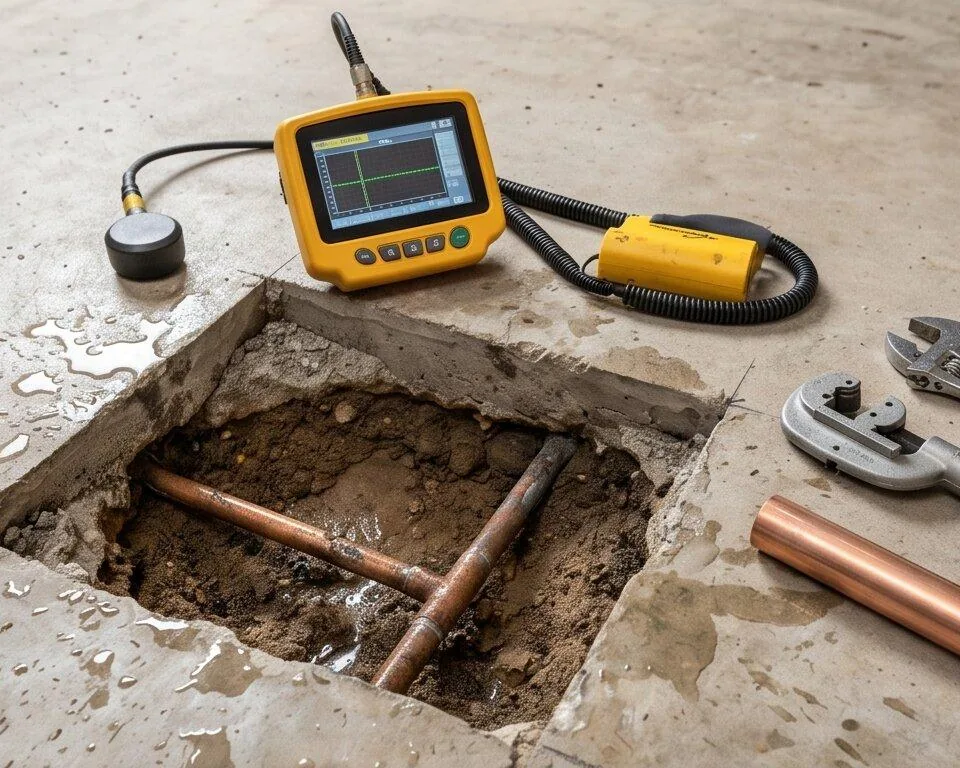
Do you actually have a slab? Start with the foundation
Slab leak is a name for a leak in a pipe that runs under or inside a concrete floor. Many homes in this area sit over a basement or a crawl space, and in those homes the supply pipes run overhead or along the foundation where they can be seen. A slab shows up under additions, garages, some ranch-style houses and anywhere in-floor heat was installed.
We have no published foundation survey for Bethlehem to point to, so do not assume. Walk the lowest level of the house. Concrete floor throughout with no basement door means a slab. A basement under part of the house with a concrete floor in the rest means some lines may run under it. When you call, say what you see and the plumber will confirm the foundation type before quoting any work.
Signs of a leak under the floor
- A warm patch on a floor, most often from a hot water line.
- The sound of running or hissing water when every fixture is off.
- A water meter that moves with nothing running.
- Damp or discolored flooring, a musty smell, or baseboards that swell for no clear reason.
- A hot water bill that rises while use stays the same, or hot water that takes longer to arrive.
Any one of these has other causes, so the first step is to confirm the leak with the meter test. Close every fixture and read the meter, wait twenty minutes, and read it again. A change means water is escaping between the meter and the house. The leak detection page walks through that test and the other safe checks.
Water on a floor near outlets? If water is standing near outlets, an appliance or the panel, keep away from it, close the main water valve and leave the rest to a plumber and, where needed, an electrician.
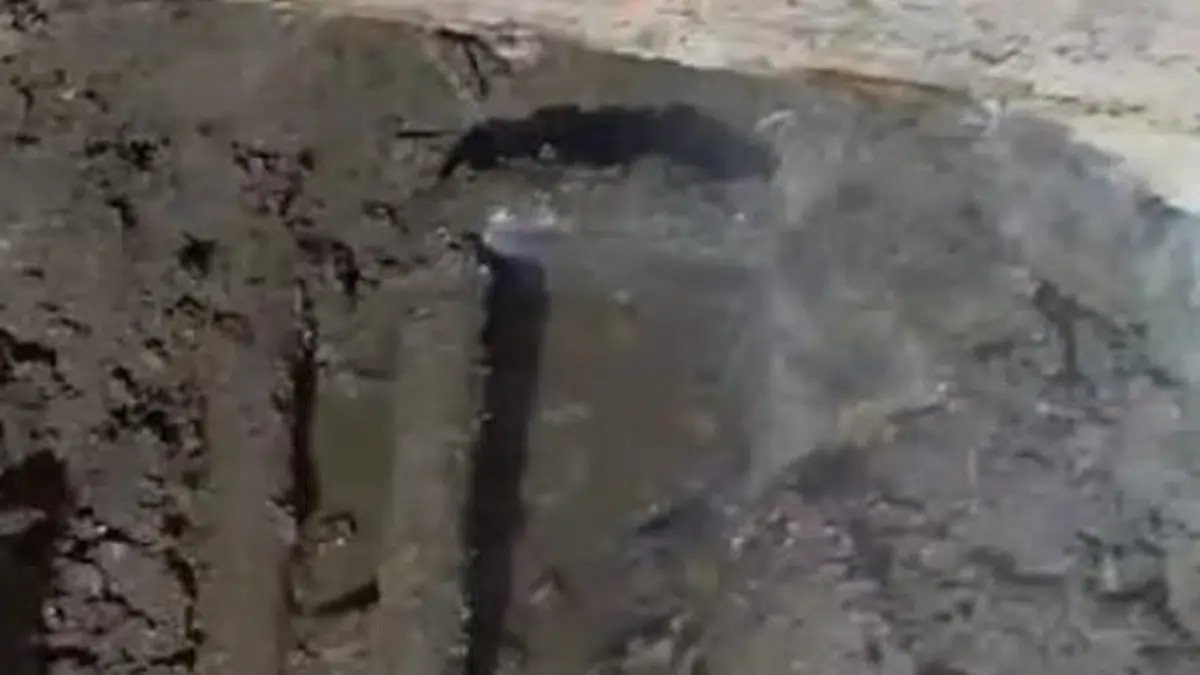
Detection: how a plumber locates a leak under concrete
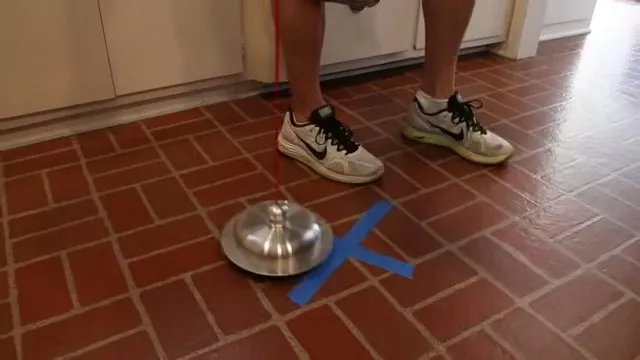
Concrete hides a leak, but it does not mute it. Acoustic listening equipment picks up the sound of water escaping a pressurized line, and a plumber walks the floor to find where the sound is loudest. Electronic tracing follows the route of the pipe so the mark lands over the pipe, not beside it. Pressure tests isolate one line at a time, which tells you whether the hot side, the cold side or a single branch is losing pressure.
None of these methods is perfect on its own. A good plumber uses two or three together and tells you how confident the location is. Ask for the marked floor, a note on which line failed and the approximate depth before any cutting starts.
Repair choices: spot repair, reroute or replace the run
| Choice | Best when | Ask the plumber |
|---|---|---|
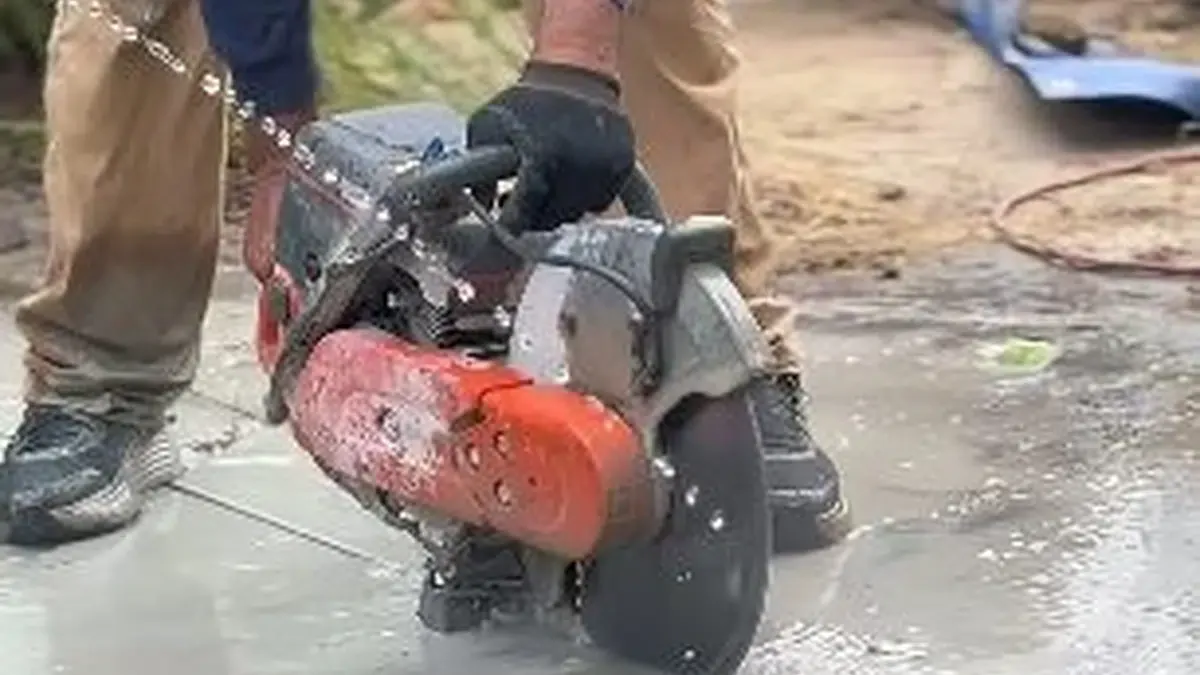
| Spot repair through the slab | One leak on an otherwise sound line, with a clear location | How big is the opening, who restores the floor and what finish is matched? |
| Reroute the line overhead or along walls | A line that has leaked more than once or is hard to reach | Where will the new line run and what has to be opened to run it? |
| Repipe the affected branch or house | Several leaks or aging pipe throughout | See burst pipe repair for what a repipe involves |
| Epoxy or lining of the existing pipe | Sound pipe with small leaks and limited access | What is the pipe material, and how long has the supplier said the lining lasts? |
Cost belongs on the cost page, where the factors that move a quote are explained without figures. What you can ask a plumber on the first visit is how many options exist, which one they recommend and why.
Foundation and concrete: what to check afterward
A pipe leak under a floor can carry soil away or soften what sits below the concrete. After a repair, watch for new cracks, a floor that sounds hollow, and gaps at the baseboards. Report them to the plumber while the work is fresh.
Parts of the Lehigh Valley sit on limestone where sinkholes form, according to Pennsylvania DCNR, and the City of Bethlehem's claims policy lists sinkholes alongside water and sewer line breaks. A soft spot or a dip in the ground near the house is a reason to call, not to wait.
If wet flooring, carpet or drywall stayed damp for more than a day or two, drying and mold testing are their own job; see water damage and mold testing. If the leak was close to a bathroom, the leak detection guide covers fixture leaks and wall leaks.
Insurance paperwork and the call to make
Ask your insurer what it covers for a leak under a slab, including the work needed to reach the pipe. Insurers often want a written leak location and a repair invoice, so ask the plumber to document the readings and the location before any floor is opened.
A leak under concrete is rarely an emergency in the first hour, but running water can undermine soil and damage flooring over days. Close the main water valve if you can safely do it, and call. The dispatcher will tell you what to expect, and nobody here promises an arrival time.
Photographs of the wet area, the meter reading before and after the shutoff and the plumber's written findings make a claim easier to support. Keep the invoice for locating the leak next to the one for the repair, so each step is documented.
Slab leak questions, answered plainly
What does a slab leak look like?
It rarely shows as a puddle. The signs are a warm spot on the floor, the sound of water when the house is quiet, a meter that moves with nothing on, and damp flooring or a musty smell. A rising hot water bill is another clue. Each sign has other causes, so the meter test comes first.
Is a slab leak an emergency, and can I get a plumber the same day?
Treat it as urgent if water is visible on the floor, the meter is running fast or you cannot shut the water off. The dispatch line answers every day, including nights and weekends, and routes the call to whichever plumber serves your area. How fast someone arrives turns on demand and on how far away the plumber is, and the dispatcher explains that on the call.
What methods are used to fix a leak under a slab?
The main options are a spot repair through the floor, rerouting the pipe overhead or through walls, repiping the affected line, and lining or epoxy for sound pipe with small leaks. Which one fits depends on the pipe, how many leaks there are and what the floor above it is made of.
Hearing water you cannot find?
Call (610) 904-7596. A dispatcher answers, asks where you are and what is happening, and sends the call to a plumber in our network serving your area. Plumbers are independent and responsible for their own work.